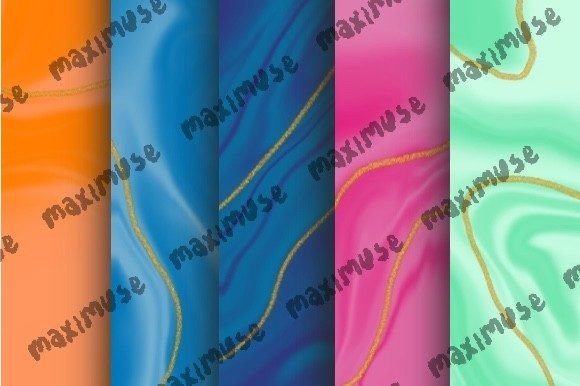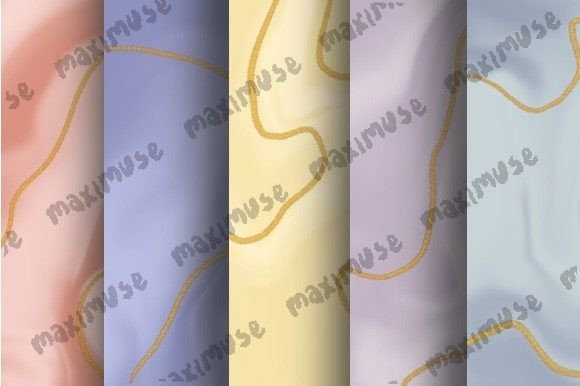
Marble Patterns with Glitter: A Unique Design Choice
Marble patterns with glitter offer a distinctive blend of elegance and visual intrigue. This design style combines the classic, natural appearance of marble with the shimmering effect of glitter, creating a surface that is both sophisticated and eye-catching. Whether used in interior design, fashion, or digital media, these patterns can add a touch of luxury and modernity to any project.
What Are Marble Patterns with Glitter?
Marble patterns are traditionally known for their veined, swirling textures that mimic the natural stone. When enhanced with glitter, these patterns gain an additional layer of visual interest. The glitter adds a subtle reflective quality, making the design more dynamic under different lighting conditions.
The combination of marble and glitter is not limited to physical materials. In digital formats, such as images or web backgrounds, this style can be replicated using graphic design software. This versatility allows for creative applications across multiple industries.
Why Would Someone Be Interested in Marble Patterns with Glitter?
There are several reasons why individuals or businesses might consider using marble patterns with glitter:
- Aesthetic appeal: The interplay between the smooth marble texture and the sparkling glitter creates a visually engaging surface.
- Modern design trends: This style aligns with contemporary aesthetics that value both sophistication and innovation.
- Customization options: Designers can tailor the intensity and placement of glitter to suit specific needs or preferences.
- Application versatility: From flooring to wall coverings, this design can be adapted to various settings.
Benefits and Considerations
One of the primary benefits of using marble patterns with glitter is the ability to create a unique visual statement. This design can elevate the look of a space or product, making it stand out in a competitive market. Additionally, the use of glitter can add depth and dimension to otherwise flat surfaces.
However, there are also considerations to keep in mind. The addition of glitter may affect the durability and maintenance of the material. For example, in high-traffic areas, the glitter may become dislodged over time, requiring more frequent upkeep. Similarly, in outdoor environments, exposure to weather elements could impact the longevity of the design.
Another factor to evaluate is the cost. While marble itself is a premium material, incorporating glitter may increase production expenses, especially if the design is intricate or requires specialized manufacturing techniques.
When Is Marble Patterns with Glitter a Strong Fit?
Marble patterns with glitter are particularly well-suited for projects where visual impact is key. These designs work exceptionally well in luxury interiors, such as high-end hotels, spas, and boutique stores. They can also be effective in retail spaces where branding and aesthetics play a significant role in customer perception.
In the fashion industry, this style can be used in accessories, footwear, or even clothing to add a touch of glamour. Digital designers may also find value in using these patterns for website backgrounds, social media graphics, or promotional materials.
When Might Alternatives Be Worth Considering?
While marble patterns with glitter offer many advantages, they may not be the best choice for every situation. For instance, in environments where durability is a priority—such as commercial kitchens or industrial settings—traditional marble without glitter might be more practical. The added glitter could wear down more quickly under heavy use.
Additionally, if the goal is to maintain a minimalist or understated design, the presence of glitter might be seen as excessive. In such cases, alternatives like solid-colored marble or other natural stone patterns could provide a more subdued yet elegant look.
Practical Decision-Making Insights
When deciding whether to use marble patterns with glitter, it's important to consider the intended use, target audience, and long-term maintenance requirements. For example, a designer working on a short-term exhibition may prioritize visual impact over durability, while a business owner planning a permanent retail space should focus on both aesthetics and practicality.
It’s also wise to explore how the design will perform under different lighting conditions. The glitter effect can change significantly depending on the angle and intensity of light, which may affect the overall appearance in various settings.
Finally, consulting with professionals such as interior designers, graphic artists, or material experts can help ensure that the chosen design aligns with both creative goals and functional needs.
Conclusion
Marble patterns with glitter present a compelling option for those seeking to combine traditional elegance with a modern, shimmering twist. By understanding the benefits, trade-offs, and appropriate applications, designers and consumers can make informed decisions about whether this style suits their specific needs. Whether for interior design, fashion, or digital media, the right application of marble patterns with glitter can elevate any project with a touch of refined sophistication.