Botanical Patterns: A Guide to Choosing and Using Beautiful Watercolor Designs
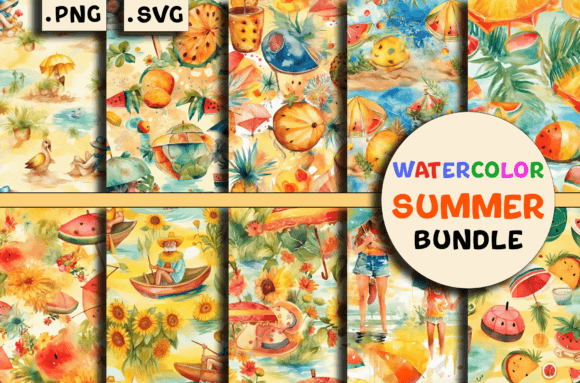
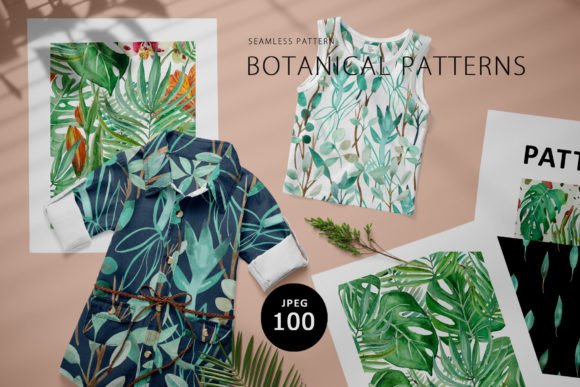
Botanical Patterns offers a unique collection of hand-painted watercolor designs that are both artistic and functional. These patterns, crafted with care, provide a versatile resource for designers, creators, and hobbyists looking to add a touch of nature to their projects. From floral motifs to leafy textures, the collection is ideal for those who appreciate the organic beauty of botanical elements.
Why Botanical Patterns Stand Out
What sets Botanical Patterns apart is its attention to detail and the use of high-quality materials. Each pattern is created using watercolor techniques, resulting in soft, elegant visuals that are perfect for a variety of applications. The seamless design allows for easy repetition without visible seams, making it ideal for fabric prints, wallpaper, stationery, and more.
The collection includes a wide range of themes, from tropical flora to springtime blooms. Whether you're designing for a wedding, creating seasonal decor, or working on a personal project, there's something in this set that will suit your needs. With 100 different patterns available, users can explore a vast array of visual styles and combinations.
Common Mistakes When Choosing Botanical Patterns
While Botanical Patterns is an excellent resource, many users make mistakes when selecting and applying these designs. One common error is not considering the intended use of the pattern. For instance, a delicate watercolor leaf might not be suitable for a durable product like a tote bag, where it could fade or wear quickly.
Another mistake is overlooking the resolution and size options. Botanical Patterns provides multiple sizes—5000x5000 px, 3000x3000 px, and 3500x3500 px—to ensure compatibility with various printing needs. Choosing the wrong size can lead to poor print quality or misalignment in design layouts.
Some users also fail to check the file format before downloading. While JPEG is widely supported, it may not always be the best choice for high-detail work. If you're planning to edit the patterns further, consider whether vector formats would be more appropriate for your workflow.
How to Avoid These Mistakes
To avoid these pitfalls, start by clearly defining your project goals. Ask yourself: What is the end use of the pattern? Will it be used for digital design, fabric printing, or something else? This helps narrow down your selection and ensures you choose the right type of pattern for your needs.
Next, review the technical specifications carefully. Check the resolution, file format, and dimensions to ensure they meet your requirements. If you're unsure about the best option, look for user reviews or reach out to the provider for clarification.
Finally, consider the scalability of the pattern. High-resolution files allow for greater flexibility in resizing without losing quality. This is especially important if you plan to use the pattern across multiple platforms or products.
Practical Tips for Using Botanical Patterns
When incorporating Botanical Patterns into your projects, it's essential to understand how the patterns interact with different backgrounds and colors. For example, a light-colored pattern may stand out more on a dark background, while a darker pattern might blend better with lighter tones.
Testing the pattern in different contexts can help you see how it looks in real-world applications. Use mockups or sample prints to evaluate the visual impact before committing to a large-scale project. This step can save time and resources in the long run.
Additionally, consider the licensing terms associated with Botanical Patterns. Some providers offer commercial licenses, which are necessary if you plan to sell products featuring the patterns. Always read the fine print to avoid legal issues down the line.
What to Check Before Making a Decision
Before purchasing Botanical Patterns, take a few moments to assess your needs and expectations. Are you looking for a one-time purchase or a subscription-based service? How many patterns do you need, and what is your budget?
It's also important to verify the reputation of the provider. Look for customer feedback, ratings, and any certifications that indicate quality and reliability. A trustworthy source will offer clear information about the product and support for any questions you may have.
Lastly, think about the long-term value of the patterns. Will they remain relevant for future projects? Are there opportunities for customization or expansion? These factors can influence your decision and ensure that your investment is worthwhile.
Conclusion
Botanical Patterns is a valuable resource for anyone interested in botanical design. By understanding the strengths and limitations of these patterns, you can make informed choices that enhance your creative projects. With careful planning and attention to detail, you'll be able to leverage the beauty of these watercolor designs effectively and efficiently.